Option 1: a standard power point
Every EV comes with a portable charger that plugs into a normal 10 amp power point. It draws about 2.3 kW, adding roughly 10 to 15 km of range per hour, or around 100 to 150 km overnight.
For many drivers that is enough: the average Australian car covers about 30 km a day. The catch is that a power point is not designed to run near its full rating for hours every night. Have an electrician check the circuit before relying on it, especially in an older home, and never charge through an extension lead or power board.
Option 2: a wall charger
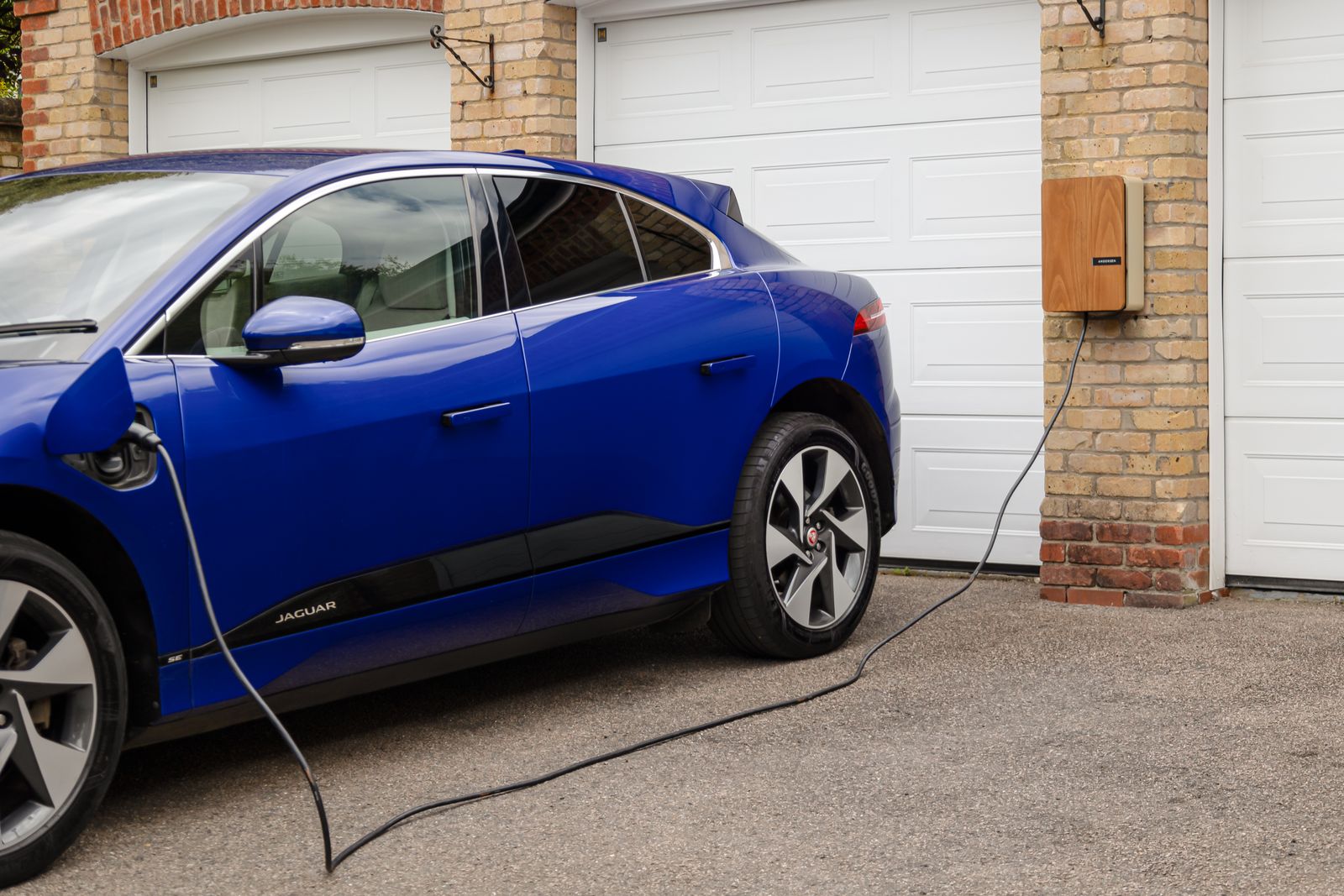
A dedicated wall charger on single-phase power charges at up to 7 kW, adding around 40 to 50 km of range per hour. It is built for daily use, can be scheduled for off-peak hours, and many models can charge from spare solar.
With three-phase power an 11 or 22 kW charger is possible, but check your car first: many EVs accept no more than 7 or 11 kW from an AC charger, so a bigger charger will not always charge faster.
What your switchboard needs
- A dedicated circuit sized for the charger’s full load.
- RCD protection suited to EV charging. Some chargers include DC fault detection; others need a specific type of RCD.
- Room on the board. Older boards with ceramic fuses usually need replacing first.
- Enough capacity on your main supply. If the charger, oven, heating and hot water may all run at once, load management lets the charger back off automatically.
We check all of this during the free assessment and include any switchboard work in the fixed price, so there are no surprises on the day.
Running your car on sunshine
In Melbourne, each kilowatt of solar panels produces roughly 3.5 to 4 kWh a day averaged across the year: more in summer, less in winter. Most EVs use about 15 to 18 kWh per 100 km, so 30 km of driving needs around 5 kWh.
A solar-aware charger such as the myenergi zappi measures what your home is exporting and sends it to the car instead. Power that would earn a few cents as an export replaces grid power or petrol bought at full price.
It works best when the car is home during the day: you work from home, have a second car, or catch up at weekends. If the car is only home at night, a home battery or a cheap overnight EV tariff does more of the work.
EV tariffs
Several retailers offer plans with very cheap power during set overnight or midday hours for EV owners. Compare them on the Victorian Government’s Victorian Energy Compare site using your smart meter data.
Checklist before you buy a charger
- Check your car’s maximum AC charging rate and plug type (most new EVs in Australia use Type 2).
- Decide where you park and how far the cable needs to reach.
- Have your switchboard and supply checked.
- Decide whether charging from spare solar matters to you.
- Choose a tethered cable or a socket for your own lead.
Ready to go? See our EV charger installation service or ask for a quote.